

The Rituals We Don´t Realise We Are Creating
There are moments in life when words simply don’t feel quite enough.
We can say I love you.
We can say I remember you.
We can say I choose you.
We can say goodbye.
But sometimes we need to do something too.
Perhaps that is why, throughout history and across almost every culture, human beings have created rituals around the moments that matter.
We light candles. We exchange rings. We scatter ashes. We tie hands together. We plant trees. We raise glasses. We place flowers somewhere meaningful. We play a particular piece of music.
These actions might appear simple, but they give physical expression to something we are feeling inside.
Ritual isn't only for ceremonies
When we hear the word ritual, we can imagine something ancient, religious or highly ceremonial.
But rituals exist in our everyday lives too.
Sometimes we create them without even realising that's what we're doing.
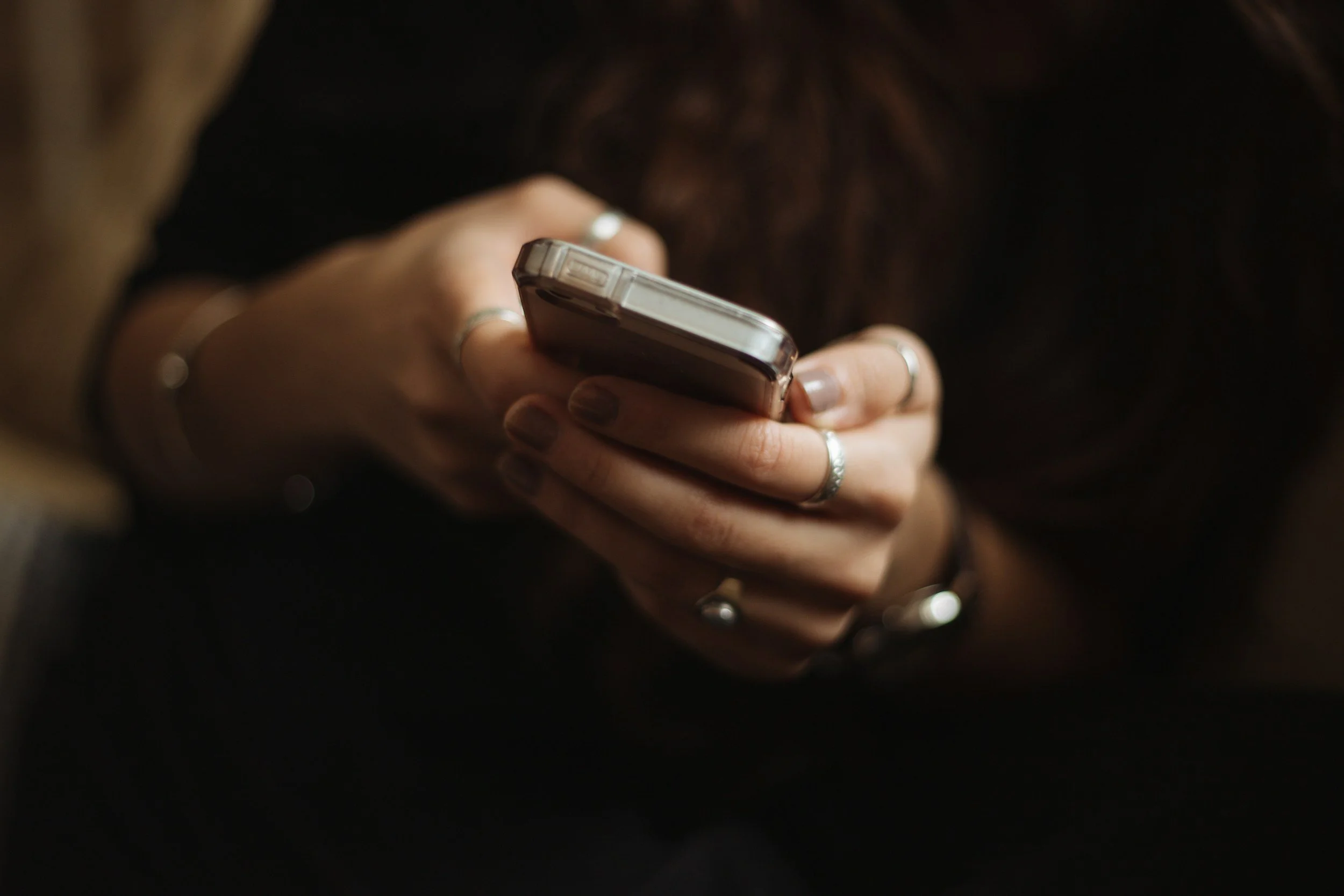
Think about deleting the contact details of someone who has hurt you — and then blocking their number.
On the surface, you're simply pressing a couple of buttons on your phone.
But emotionally, that tiny action can mean something much bigger.
I'm letting this go.
I'm no longer waiting.
I'm choosing to move forward.
In more spiritual traditions, we might describe something like this as a cord-cutting ritual — symbolically releasing an emotional connection that no longer serves us.
But it doesn't need candles, incense or ceremony.
Sometimes Delete Contact. Block. is the ritual.
Perhaps you take off a wedding ring after a relationship has ended and place it carefully into a box.
Perhaps you pack away the belongings of someone who has died when the time finally feels right.
Perhaps you plant something in memory of somebody you love.
Perhaps you burn an old letter, change your surname, move furniture around after somebody leaves, or simply open the windows of a house and let fresh air in after a difficult time.
Small actions.
Big meanings.
Ritual gives our emotions somewhere to go
This, for me, is one of the most powerful things about ritual.
It gives us something to do with what we are feeling.
Grief, love, hope, fear, commitment and change can be enormous emotions. They don't always sit neatly inside words.
A physical act can help us acknowledge that something has happened — and that something is changing.
It doesn't magically remove grief or mend a broken heart.
But it can create a marker.
There was before this moment.
And there is after it.
Creating rituals that belong to you
This is also why I love incorporating ritual into ceremonies.
Not because a ceremony needs to contain certain traditions, and certainly not because we have to do things simply because they've always been done.
Quite the opposite.
I'm interested in finding the small actions that actually mean something to the people involved.
That might be lighting a candle at a funeral.
It might be family members placing flowers beside a coffin.
It might be scattering ashes somewhere filled with memories.
At a wedding, it could be exchanging rings, handfasting, sharing wine, involving children or creating something completely new that belongs only to that couple.
At a naming ceremony, perhaps grandparents make promises to a child.
And sometimes the most meaningful ritual is something incredibly simple.
A moment of silence.
A hand held.
A favourite song played.
A glass raised.
It doesn't have to look like a ritual
Perhaps that's the thought I'd like to leave at the end of this little series about ritual.
A ritual doesn't have to be ancient.
It doesn't have to be religious.
It doesn't have to be spiritual.
And it certainly doesn't have to be elaborate.
Sometimes the most powerful rituals are simply the small things we choose to do when we need to acknowledge:
This mattered.
This person mattered.
Something is changing.
I'm ready to begin.
Or perhaps:
I'm ready to let go.
Because when words aren't quite enough, sometimes an action can say everything.
When words aren't enough, we bring flowers
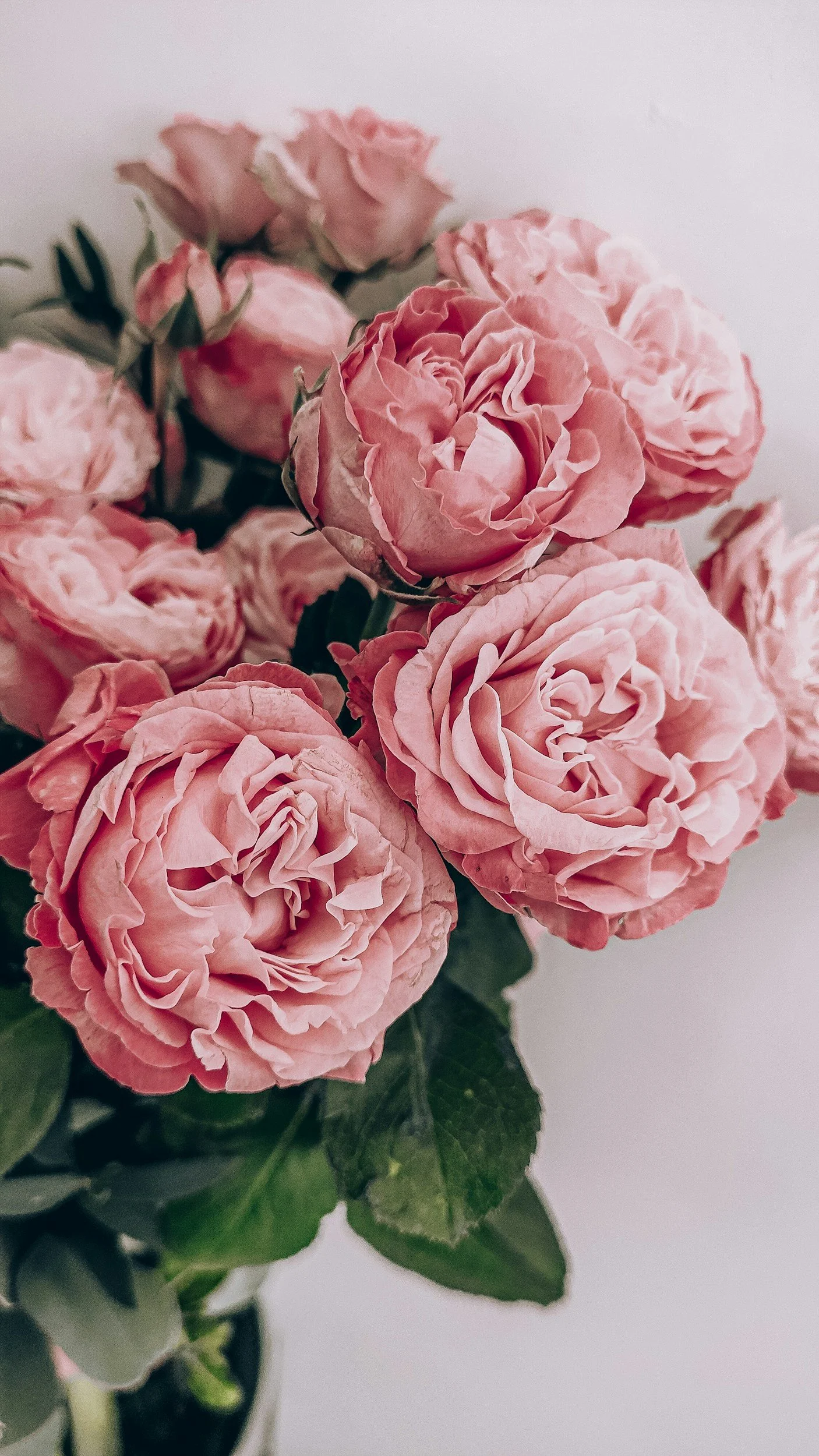
There are some moments in life when words simply don't feel enough.
Someone dies, and we send flowers. Someone falls in love, and we give flowers. We carry them down the aisle at weddings, place them beside a coffin, lay them on graves and memorials, and bring them to celebrate the arrival of a new baby.
We use flowers to say I love you. I'm thinking of you.I'm sorry.Congratulations. And sometimes simply, I don't know what to say, but I'm here.
Perhaps that is why flowers have become such an enduring part of our rituals around life's biggest moments.
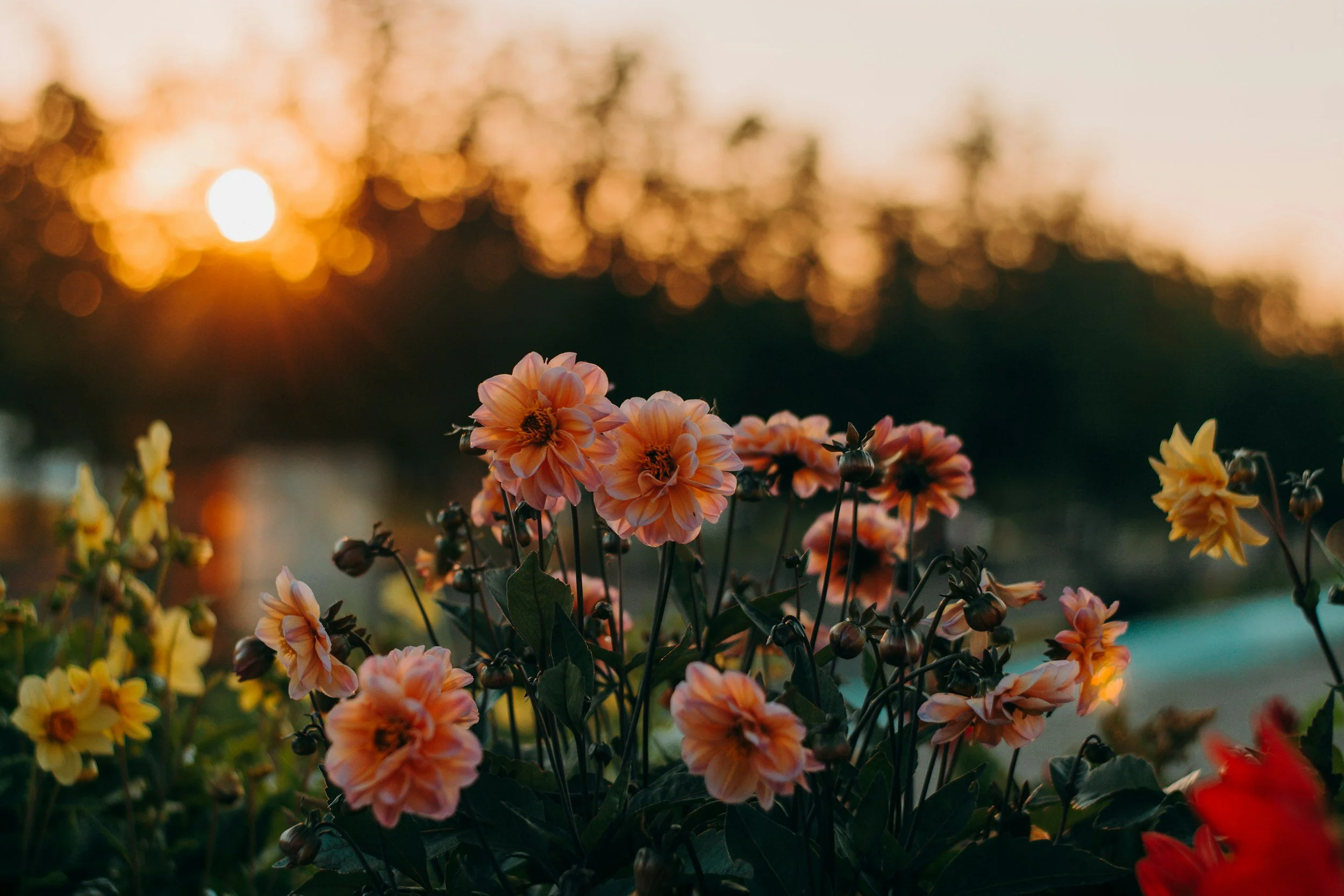
Flowers have always carried meaning
The use of flowers in ceremony stretches back thousands of years and across many different cultures and faiths. They have been used to honour the dead, celebrate marriage, represent fertility and new life, mark religious festivals and decorate sacred spaces.
Over time, particular flowers have developed meanings of their own. Rosemary has long been associated with remembrance. Lilies have become closely connected with funerals and ideas of peace and innocence. Roses can signify love, while evergreens can represent continuity and enduring life.
But I think the flowers that mean the most are often far more personal than that.
They might be the sweet peas your grandmother grew every summer. The roses that climbed around the house where you grew up. The wildflowers you picked together on holiday. The lavender that immediately takes you back to a particular garden, person or place.
Suddenly, a flower isn't simply decoration.
It holds a story.
Flowers at funerals
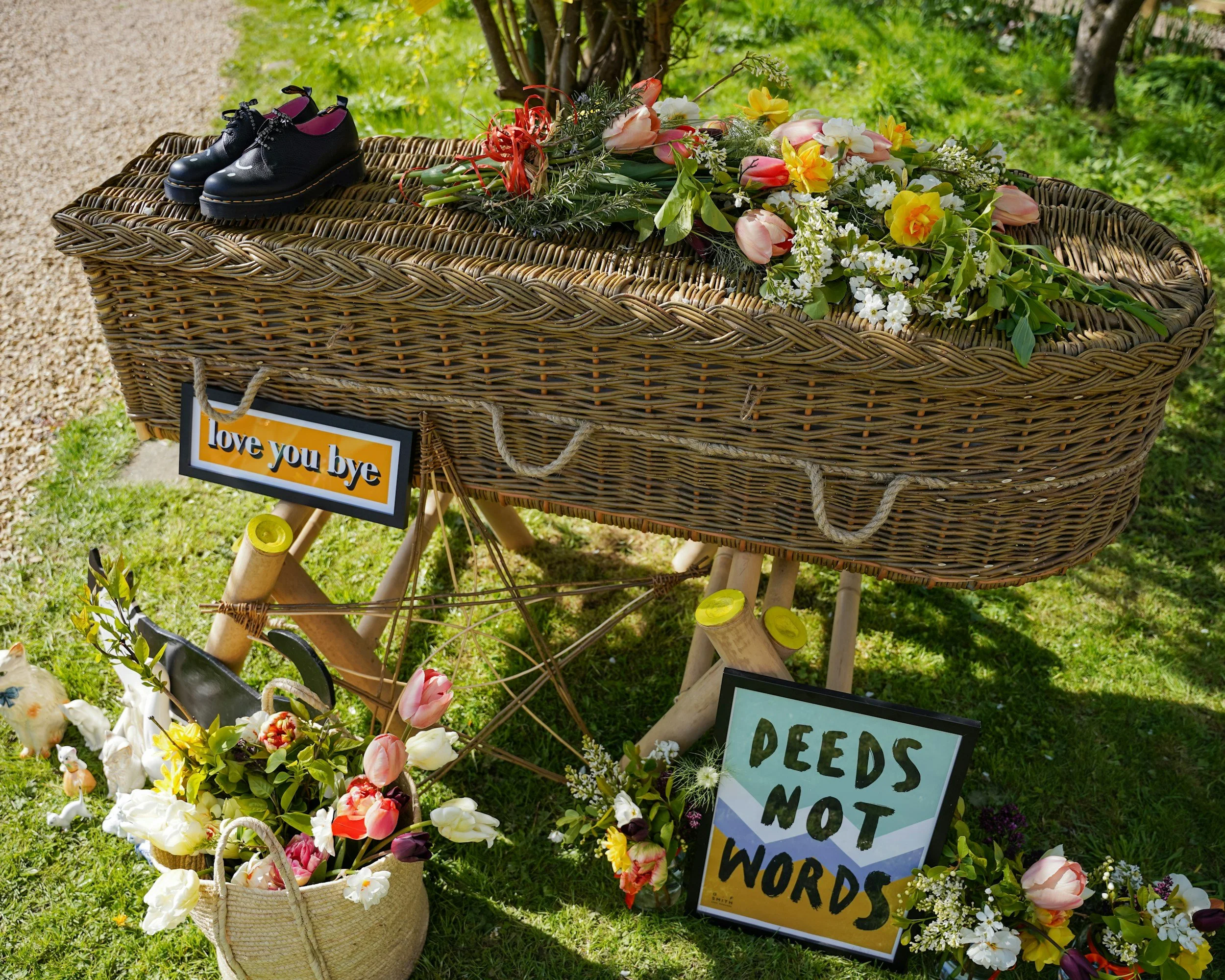
At a funeral, flowers can bring softness and beauty into a day that can otherwise feel impossibly difficult.
But they can also become part of the ceremony itself.
A family might each place a flower on the coffin. Children or grandchildren might choose a bloom from someone's garden. Guests could be invited to lay petals as a final act of farewell.
There doesn't need to be anything elaborate about it.
Sometimes the simplest ritual — choosing a flower, holding it for a moment and then placing it down — gives us something to do when emotion is difficult to put into words.
And that is one of the things I love most about ritual.
It allows our hands to express something our voices sometimes cannot.
Flowers at weddings
Of course, flowers accompany us at the other end of life's emotional spectrum too.
We carry bouquets down aisles. We decorate tables and doorways. We scatter petals. We preserve wedding flowers afterwards because somehow they have become part of the story of that day.
Flowers can also be woven into a celebrant-led ceremony in very personal ways.
Perhaps flowers are chosen to remember somebody who cannot be there. Perhaps guests contribute individual stems to create a bouquet during the ceremony. Or perhaps a particular flower connects the couple to their family, heritage or a place they love.
Again, the important thing isn't how impressive it looks.
It's what it means.
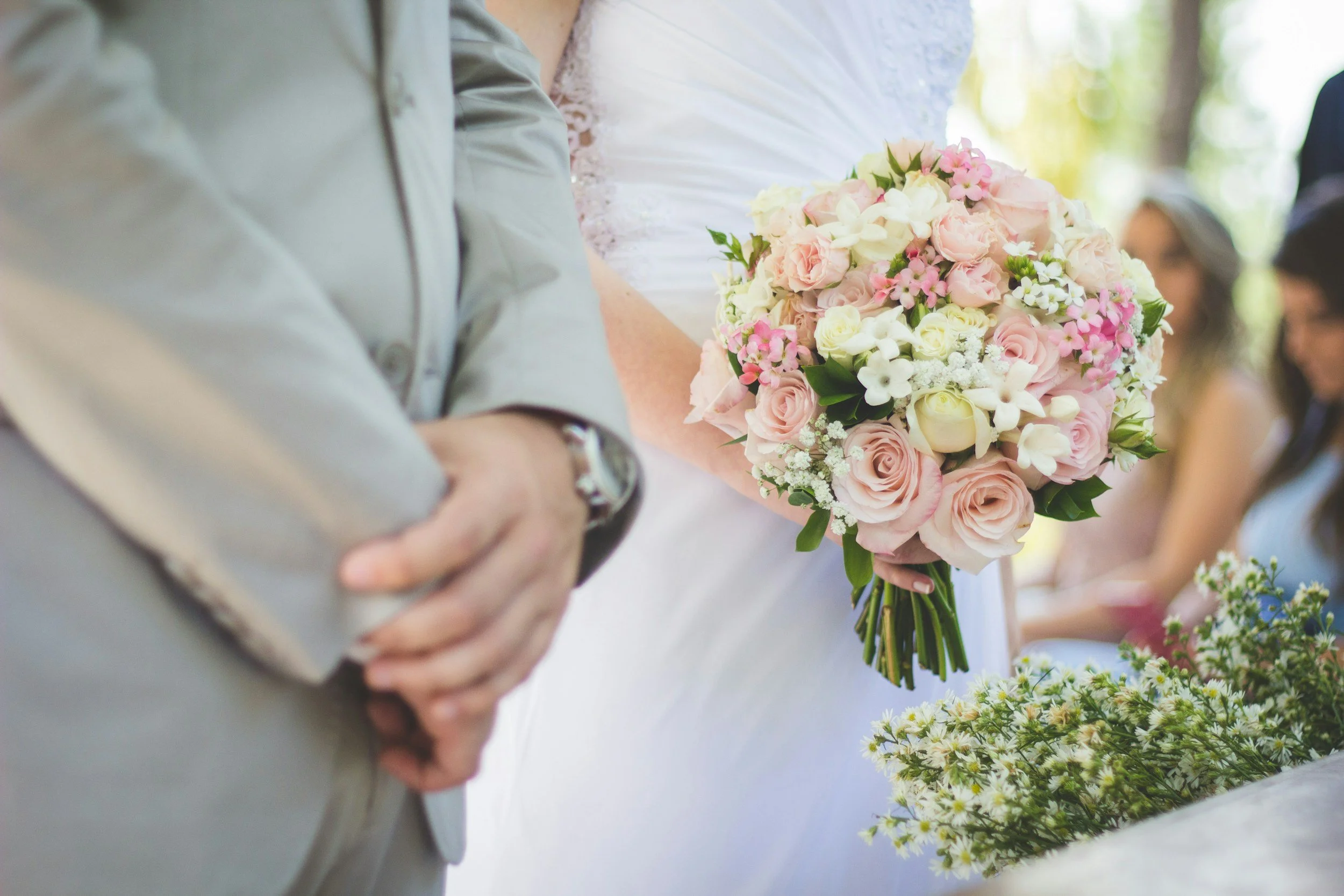
The flowers we remember
Often, the rituals that stay with us aren't the grand ones.
They're the small things.
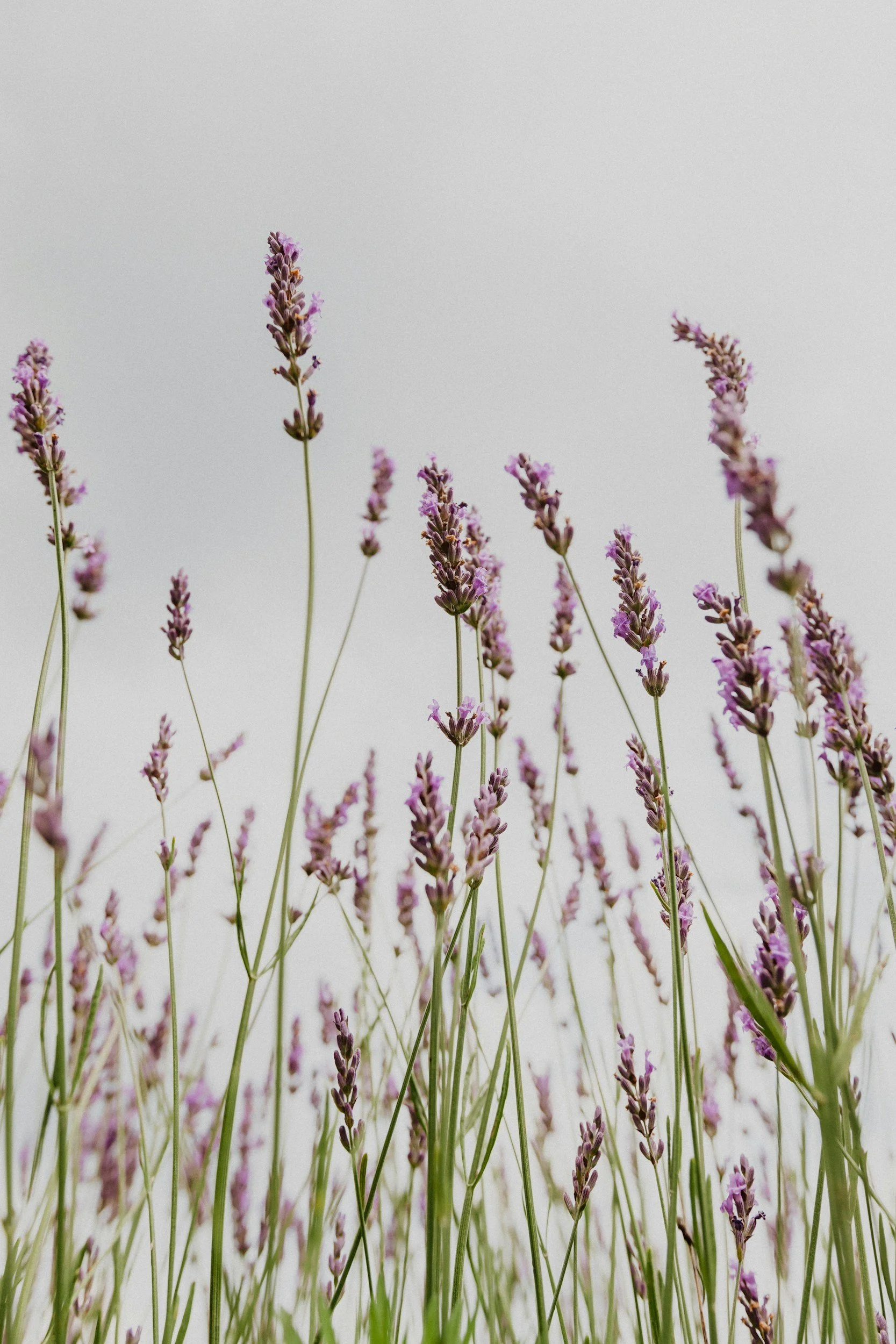
The scent of lavender. A handful of petals. A rose from a familiar garden. A sprig of rosemary tucked quietly beside a photograph.
These tiny acts can connect us to people, places and memories in ways we don't always understand until we experience them.
Perhaps that's why, after thousands of years, we still reach for flowers at the moments that matter most.
Because sometimes there simply aren't words big enough for love, grief, hope or remembrance.
And when words aren't enough, we bring flowers.
Sarah x
The Quiet Power of Lighting a Candle
Have you ever noticed how instinctively we reach for a candle during life's most significant moments?
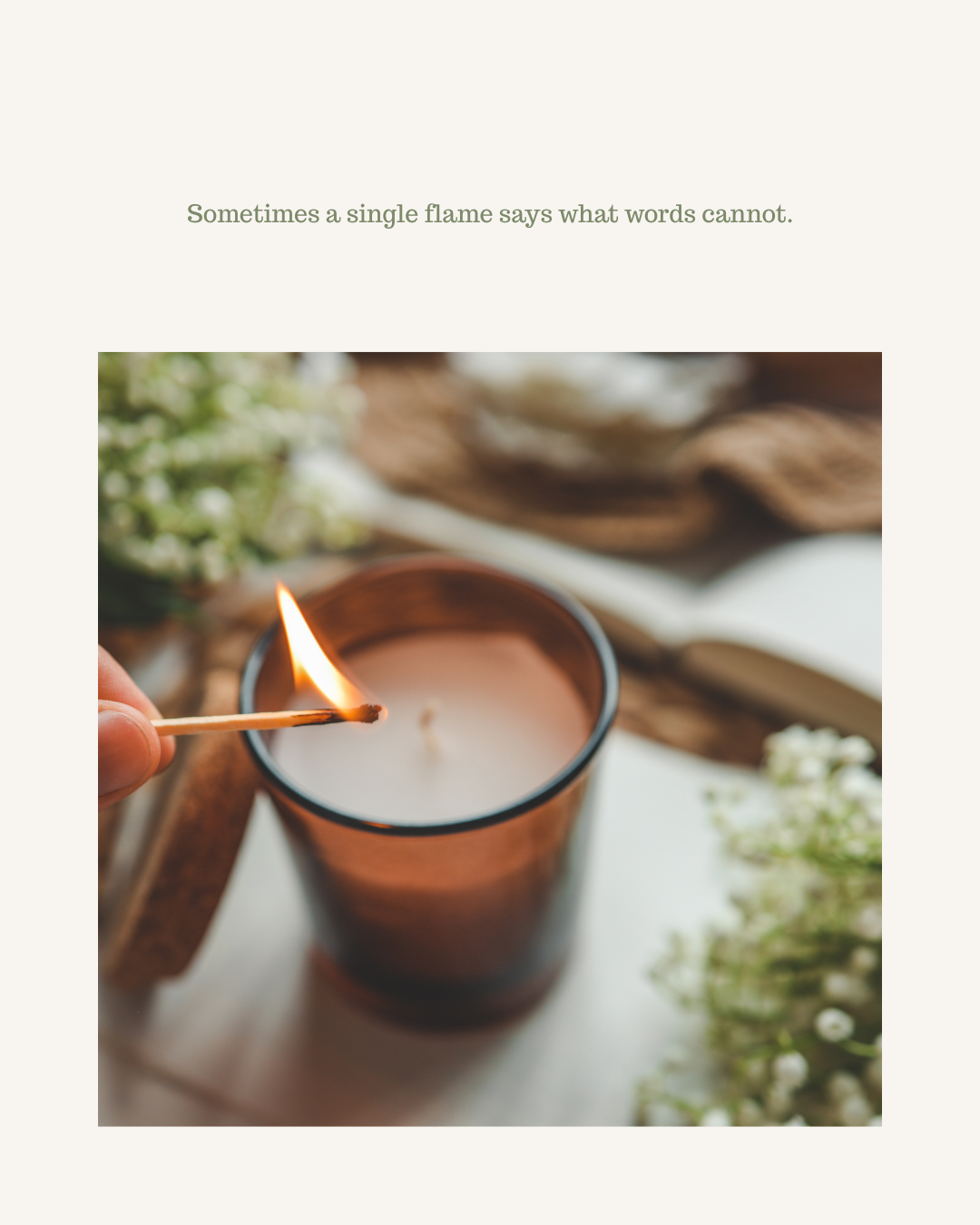
We light one when someone dies. We light one in church. We light candles at weddings, on birthdays and at anniversaries. Sometimes we light one simply because we're thinking of someone we love.
It's such a small act.
Yet somehow, it says what words often cannot.
A language older than words
Long before electricity, candles were a source of light. They guided people through darkness, quite literally. Over time, they also became symbols of hope, remembrance, faith and love.
Across cultures and religions, the simple act of lighting a candle has carried remarkably similar meaning.
It says:
"I remember."
"I honour you."
"You are not forgotten."
Why does it feel so powerful?
Psychologists have long recognised the importance of ritual during times of change, grief and celebration.
Rituals give our minds something tangible to do when our emotions feel overwhelming.
Lighting a candle is beautifully simple.
We pause.
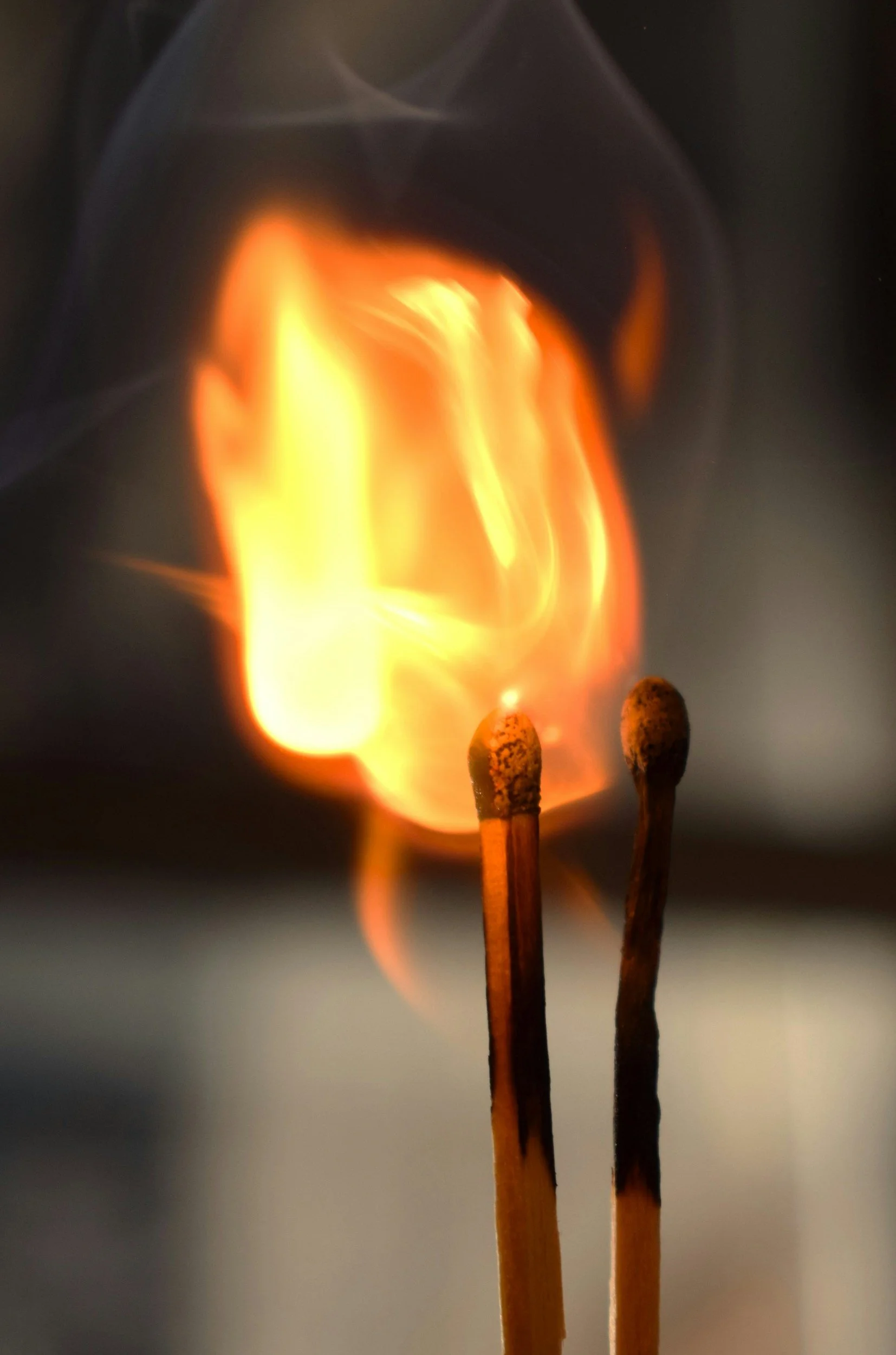
We strike a match.
We watch the flame come to life.
For just a moment, the world becomes quieter.
That pause allows us to acknowledge what we're feeling rather than rushing past it.
The candle doesn't remove our sadness.
It doesn't erase our grief.
But it gives those emotions somewhere gentle to rest.
A flame that connects us
One of the things I love most about candle rituals is that they are rarely about the candle itself.
They're about the person, the promise or the memory it represents.
At a wedding, a couple may light a candle together as a symbol of two lives becoming one.
During a memorial, family members may each light a candle while sharing memories of someone they love.
In moments of private reflection, a single flame can become a quiet reminder that love continues, even after loss.
The ritual is small.
The meaning is enormous.
Creating space for emotion
Modern life encourages us to keep moving.
To stay busy.
To be productive.
Yet our emotions often need the opposite.
They need space.
Lighting a candle is one of the simplest ways of creating that space.
It asks nothing of us except that we stop, even for a minute, and allow ourselves to be present.
More than a tradition
People sometimes ask whether rituals are old-fashioned.
I don't believe they are.
I believe they are deeply human.
We all need ways to celebrate, to grieve, to remember and to hope.
A candle simply gives those feelings a visible expression.
Perhaps that's why this quiet ritual has survived for thousands of years.
Final Thoughts….
When I create ceremonies, I never include a candle simply because it's traditional.
I include it when it has meaning.
Because the most powerful rituals aren't the elaborate ones.
They're the ones that help us express what words alone often cannot.
Sometimes, all it takes is the quiet light of a single candle.
If you're planning a wedding, celebration of life, memorial or another important milestone, I'd be honoured to help you create a ceremony that feels deeply personal and true to your story.
Because sometimes, the simplest rituals become the ones we remember forever.
Why Have Humans Always Needed Rituals?
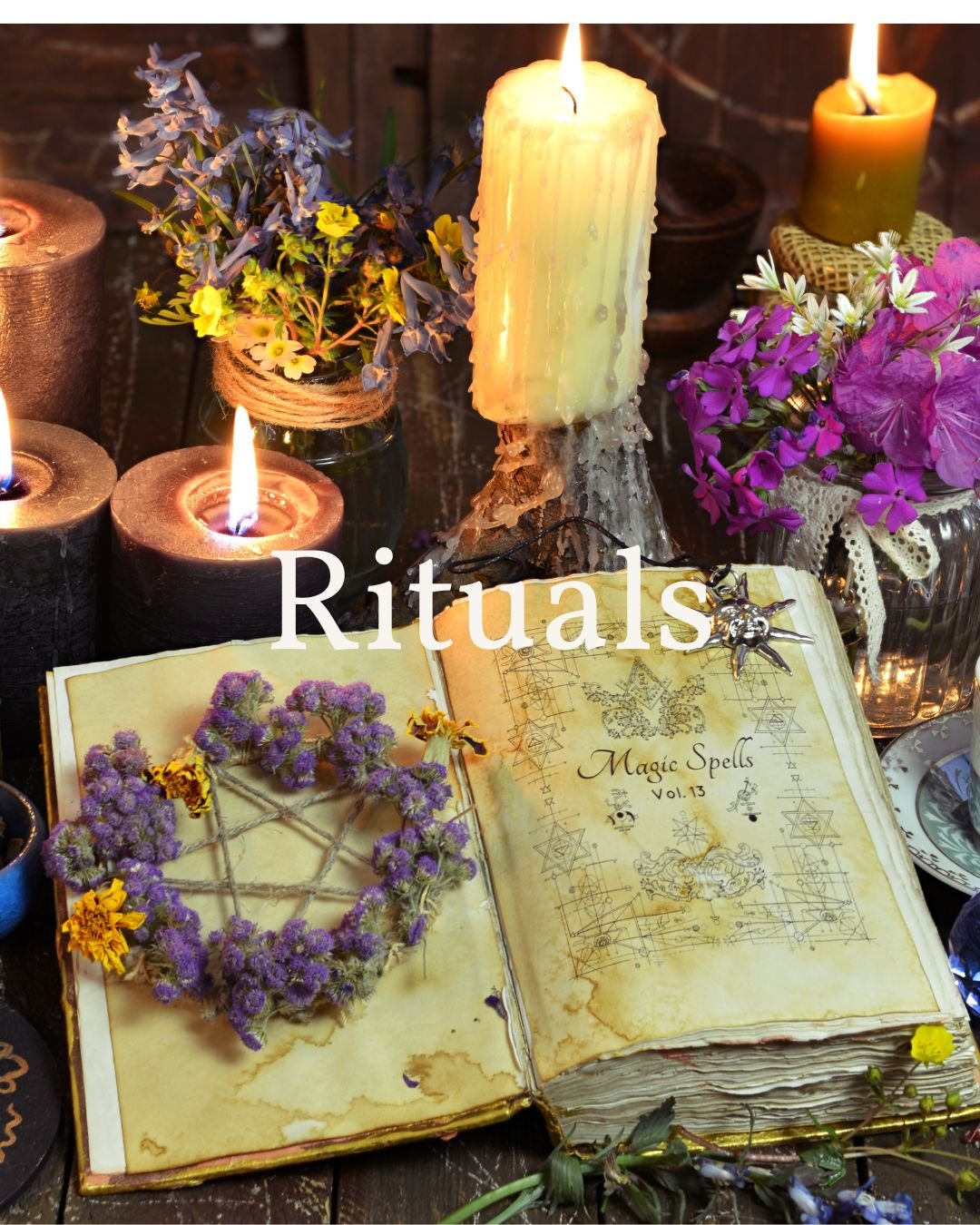
Did you know people have been using rituals for over 100,000 years?
Long before churches, registrars or funeral directors existed...
Long before wedding dresses, rings or funeral hymns...
People gathered together to mark life's most important moments.
Birth.
Love.
Death.
New beginnings.
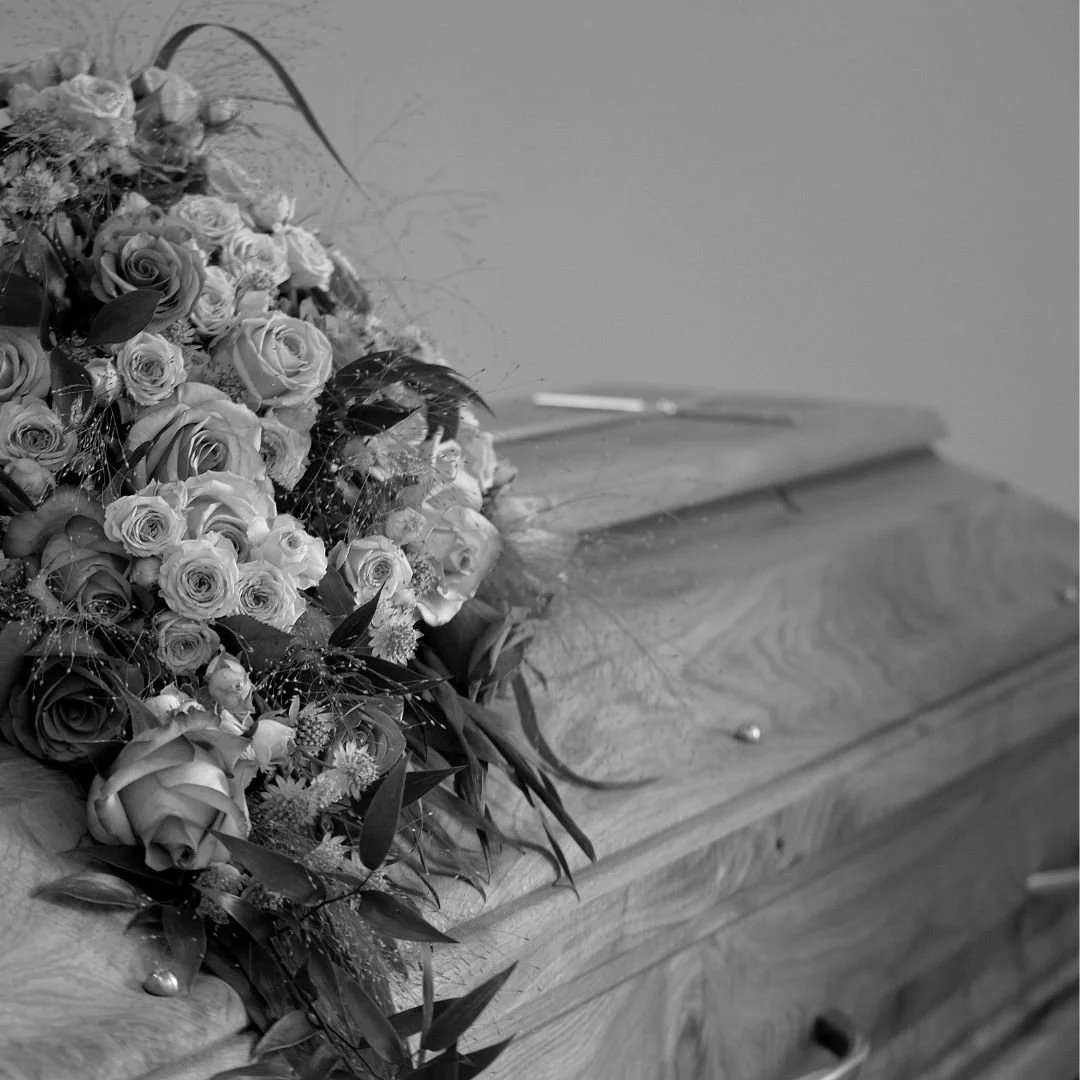
Archaeologists have discovered evidence that more than 100,000 years ago our ancestors carefully buried loved ones with flowers, treasured possessions and coloured ochre. Even then, they instinctively understood something we still know today.
“Some moments deserve more than words”
They deserve ceremony.
Whether we're lighting a candle, exchanging rings, scattering ashes into the sea, planting a tree or simply standing together in silence, rituals help us express what our hearts sometimes struggle to say.
Across every culture and every generation, rituals have helped people make sense of joy, grief, hope and change.
As human beings, we are natural storytellers. We search for meaning in the moments that shape our lives, and rituals help us give those moments a beginning, a middle and an end. They help us pause. They invite us to reflect. They remind us that we are not alone.
Even today, we continue to create rituals, often without even realising it. We light birthday candles. We raise a glass in celebration. We wear black at funerals. We throw confetti over newlyweds. We place flowers where someone is remembered. These small symbolic acts connect us to something much older than ourselves.
As a celebrant, I have come to believe that the most meaningful ceremonies are rarely about tradition for tradition's sake. They are about creating moments that genuinely reflect the people at their heart.
Sometimes that might be a family lighting candles in memory of someone they love.
Sometimes it is a couple planting an olive tree together to symbolise a life that will continue to grow.
.
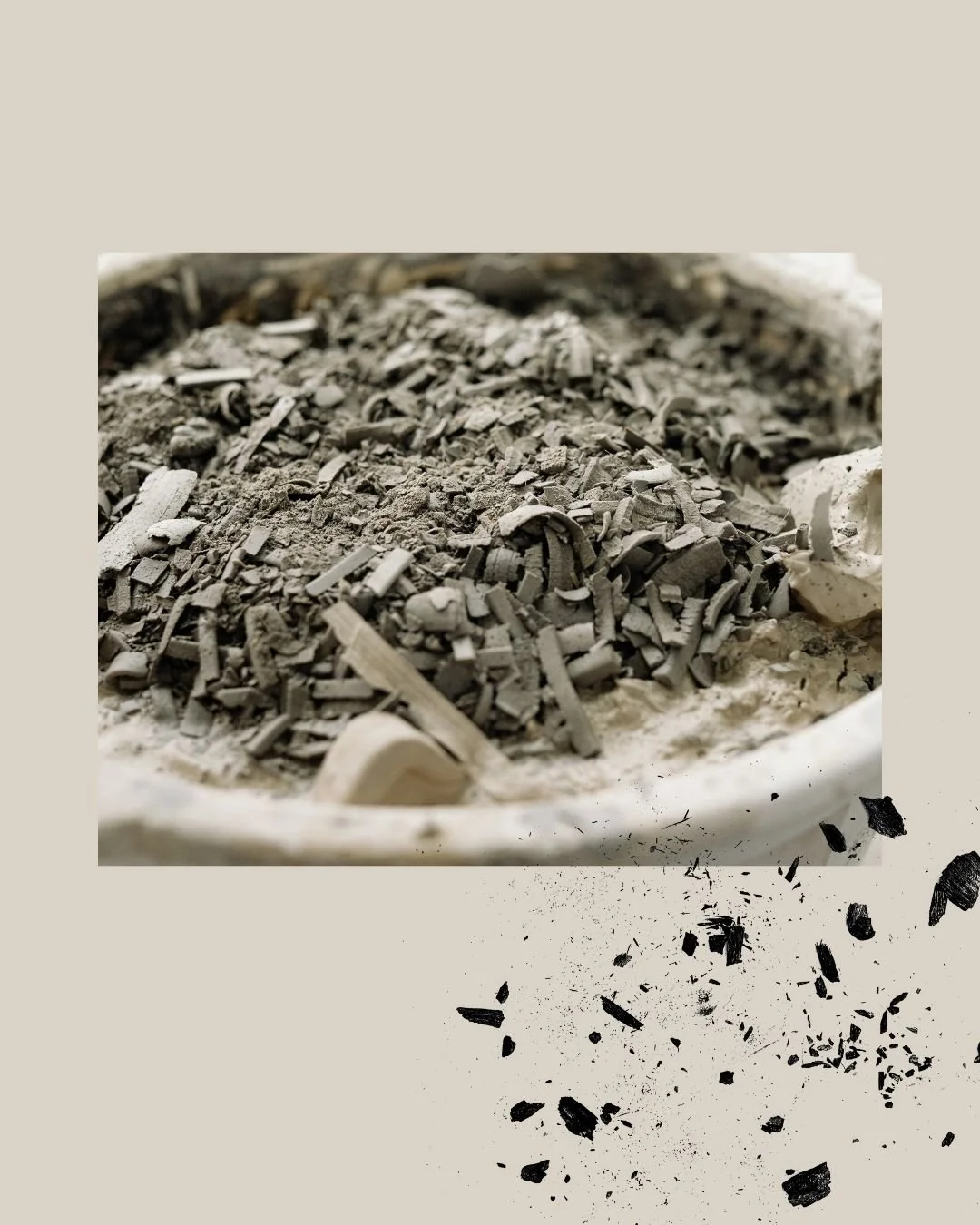
Sometimes it is scattering ashes of a loved one in a place special to their heart, like the sea or in a holiday destination they loved.
The ritual itself isn't what matters most.
It is the meaning we give it.
That is why I have created The Ceremony Journal – Stories, Symbols & Rituals.
Each Sunday, I'll be exploring one beautiful ritual, uncovering where it came from, what it symbolises and how it can be woven into modern weddings, celebrations of life, memorials, naming ceremonies and vow renewals.
We'll travel through ancient civilisations, forgotten traditions and modern ceremonies, discovering the fascinating stories behind the symbolic moments that continue to bring comfort, joy and connection.
Because ceremony isn't about following rules.
It's about creating meaning.
And perhaps that is something we need now more than ever.
A Celebrant's Reflection
When I sit with a family or a couple, one of the first questions I ask is, "Tell me about the person, or tell me about your story." That's because every meaningful ceremony begins there—not with a script, but with people.
Over the years, and particularly through my own experiences of love and loss, I've realised that the rituals we remember most are often the simplest. A candle lit in silence. A favourite song played at just the right moment. A handful of lavender released into the breeze. They become anchors for our memories long after the day itself has passed.
My hope is that this journal will inspire you to see ceremonies not as formal occasions, but as opportunities to tell a story, honour a life, celebrate a relationship and create a memory that will stay with you forever.
Next Sunday...
We'll discover why people have been lighting candles for thousands of years, and why one small flame can say what words never could.
Thank you for joining me on this journey.
Warmly,
Sarah Blake
Sarah Blake Ceremonies