

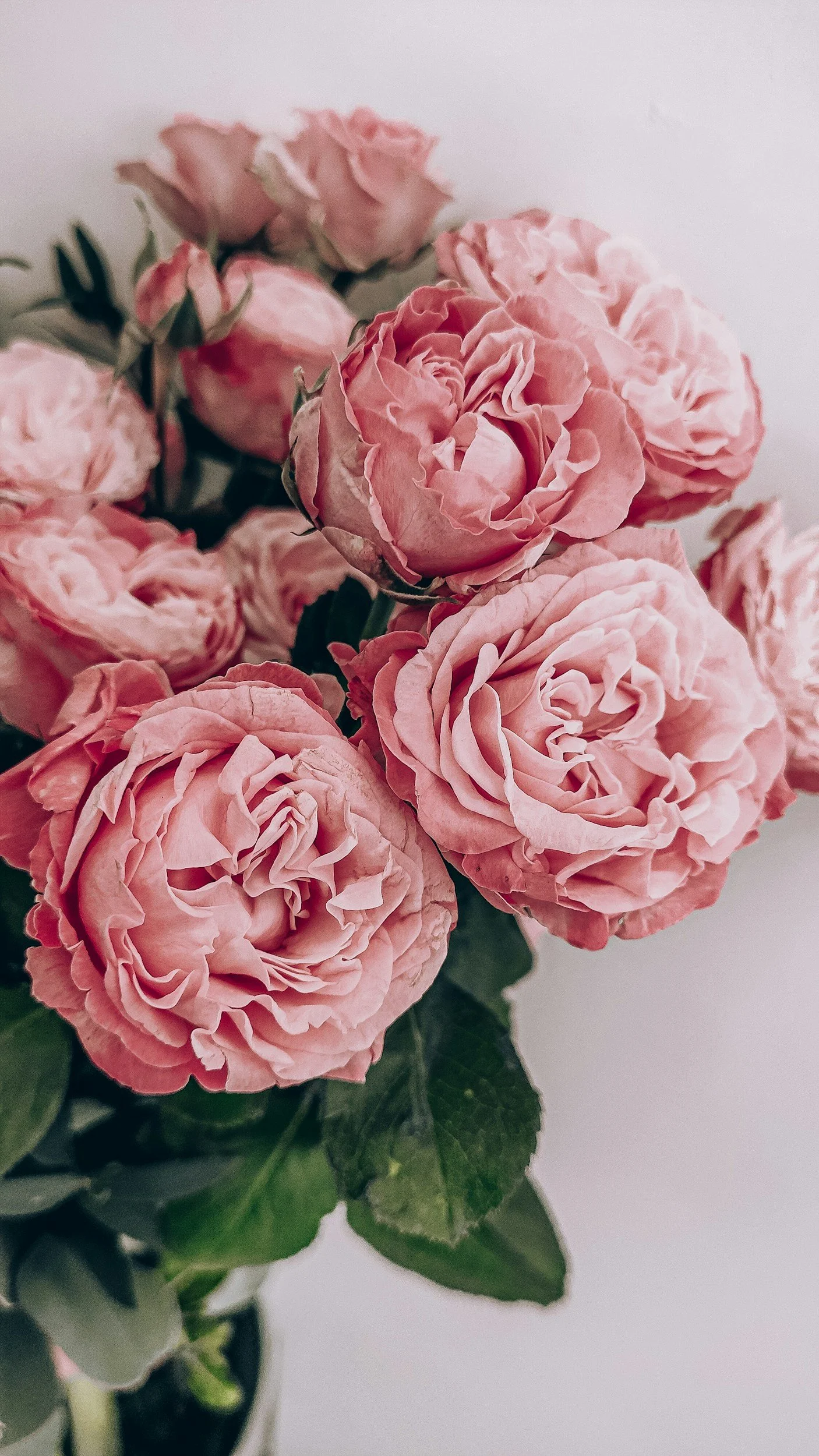
There are some moments in life when words simply don't feel enough.
Someone dies, and we send flowers. Someone falls in love, and we give flowers. We carry them down the aisle at weddings, place them beside a coffin, lay them on graves and memorials, and bring them to celebrate the arrival of a new baby.
We use flowers to say I love you. I'm thinking of you.I'm sorry.Congratulations. And sometimes simply, I don't know what to say, but I'm here.
Perhaps that is why flowers have become such an enduring part of our rituals around life's biggest moments.
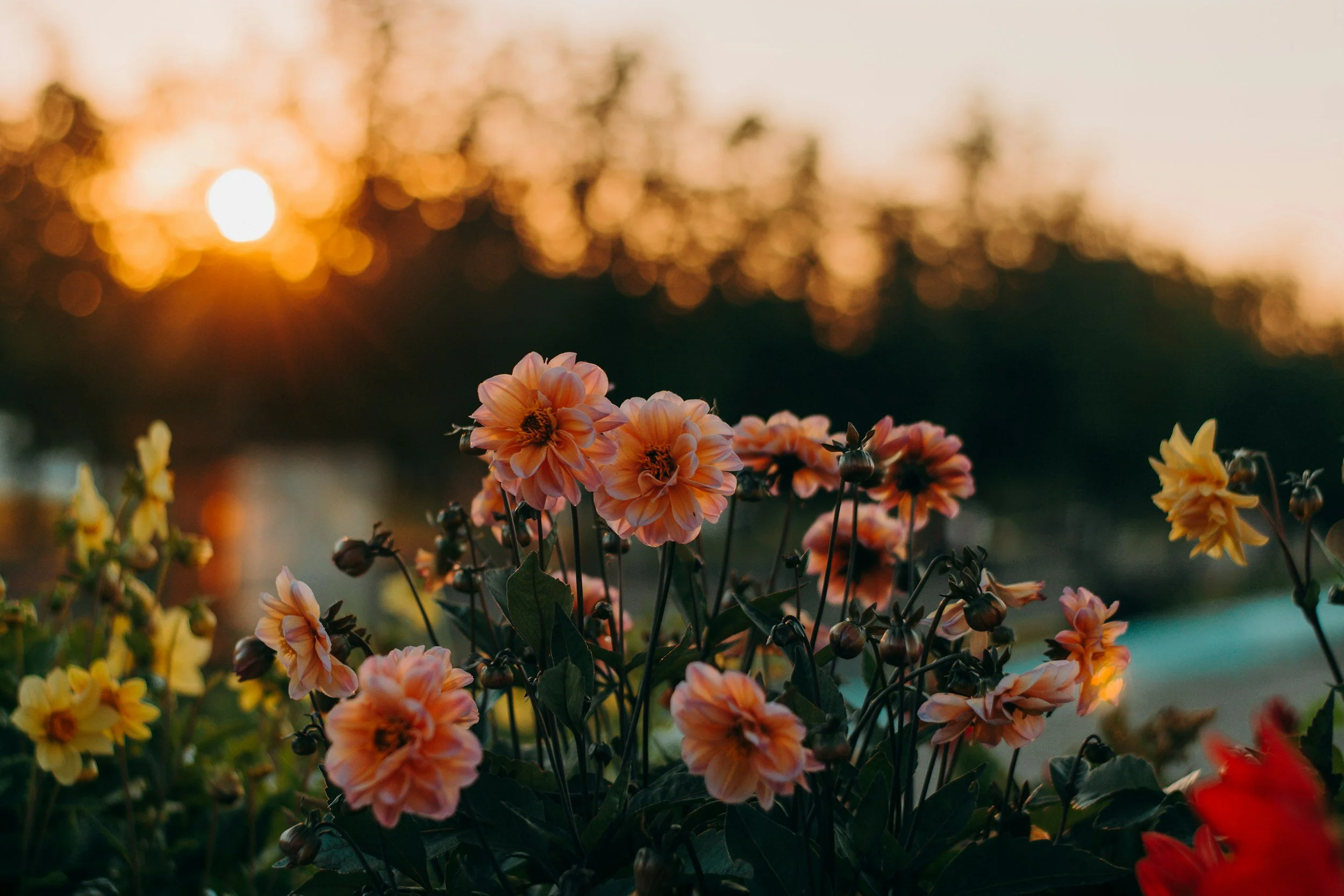
Flowers have always carried meaning
The use of flowers in ceremony stretches back thousands of years and across many different cultures and faiths. They have been used to honour the dead, celebrate marriage, represent fertility and new life, mark religious festivals and decorate sacred spaces.
Over time, particular flowers have developed meanings of their own. Rosemary has long been associated with remembrance. Lilies have become closely connected with funerals and ideas of peace and innocence. Roses can signify love, while evergreens can represent continuity and enduring life.
But I think the flowers that mean the most are often far more personal than that.
They might be the sweet peas your grandmother grew every summer. The roses that climbed around the house where you grew up. The wildflowers you picked together on holiday. The lavender that immediately takes you back to a particular garden, person or place.
Suddenly, a flower isn't simply decoration.
It holds a story.
Flowers at funerals
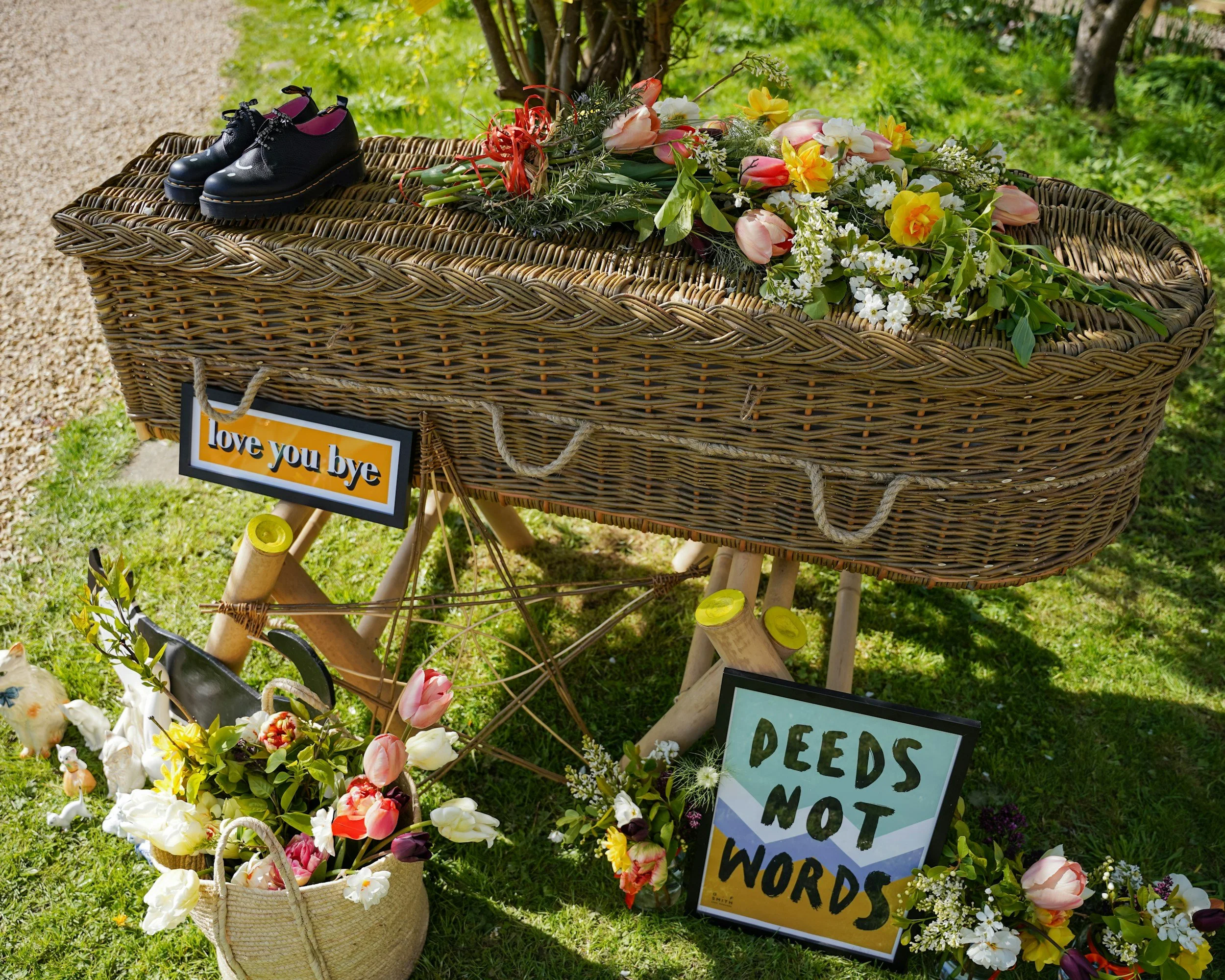
At a funeral, flowers can bring softness and beauty into a day that can otherwise feel impossibly difficult.
But they can also become part of the ceremony itself.
A family might each place a flower on the coffin. Children or grandchildren might choose a bloom from someone's garden. Guests could be invited to lay petals as a final act of farewell.
There doesn't need to be anything elaborate about it.
Sometimes the simplest ritual — choosing a flower, holding it for a moment and then placing it down — gives us something to do when emotion is difficult to put into words.
And that is one of the things I love most about ritual.
It allows our hands to express something our voices sometimes cannot.
Flowers at weddings
Of course, flowers accompany us at the other end of life's emotional spectrum too.
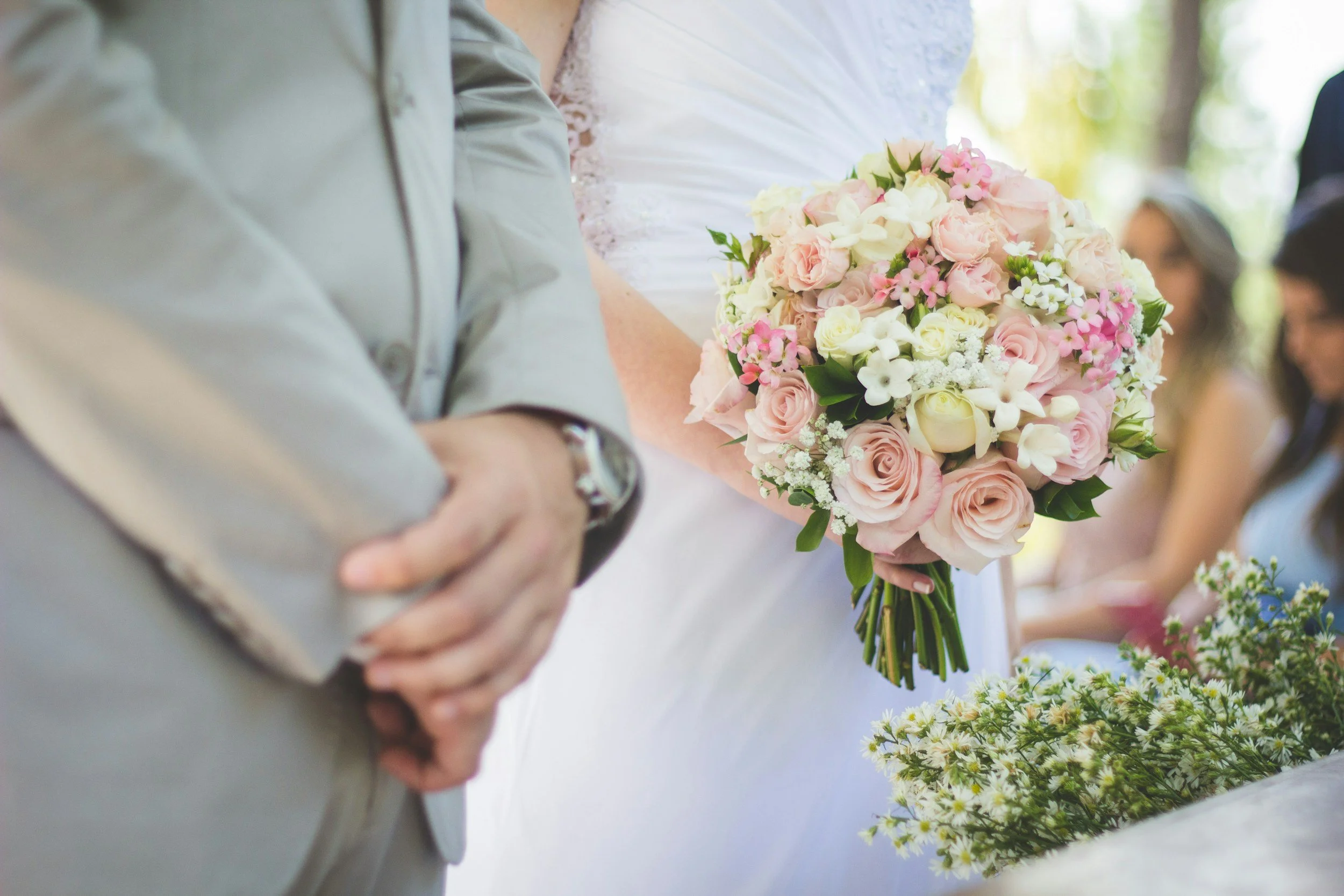
We carry bouquets down aisles. We decorate tables and doorways. We scatter petals. We preserve wedding flowers afterwards because somehow they have become part of the story of that day.
Flowers can also be woven into a celebrant-led ceremony in very personal ways.
Perhaps flowers are chosen to remember somebody who cannot be there. Perhaps guests contribute individual stems to create a bouquet during the ceremony. Or perhaps a particular flower connects the couple to their family, heritage or a place they love.
Again, the important thing isn't how impressive it looks.
It's what it means.
The flowers we remember
Often, the rituals that stay with us aren't the grand ones.
They're the small things.
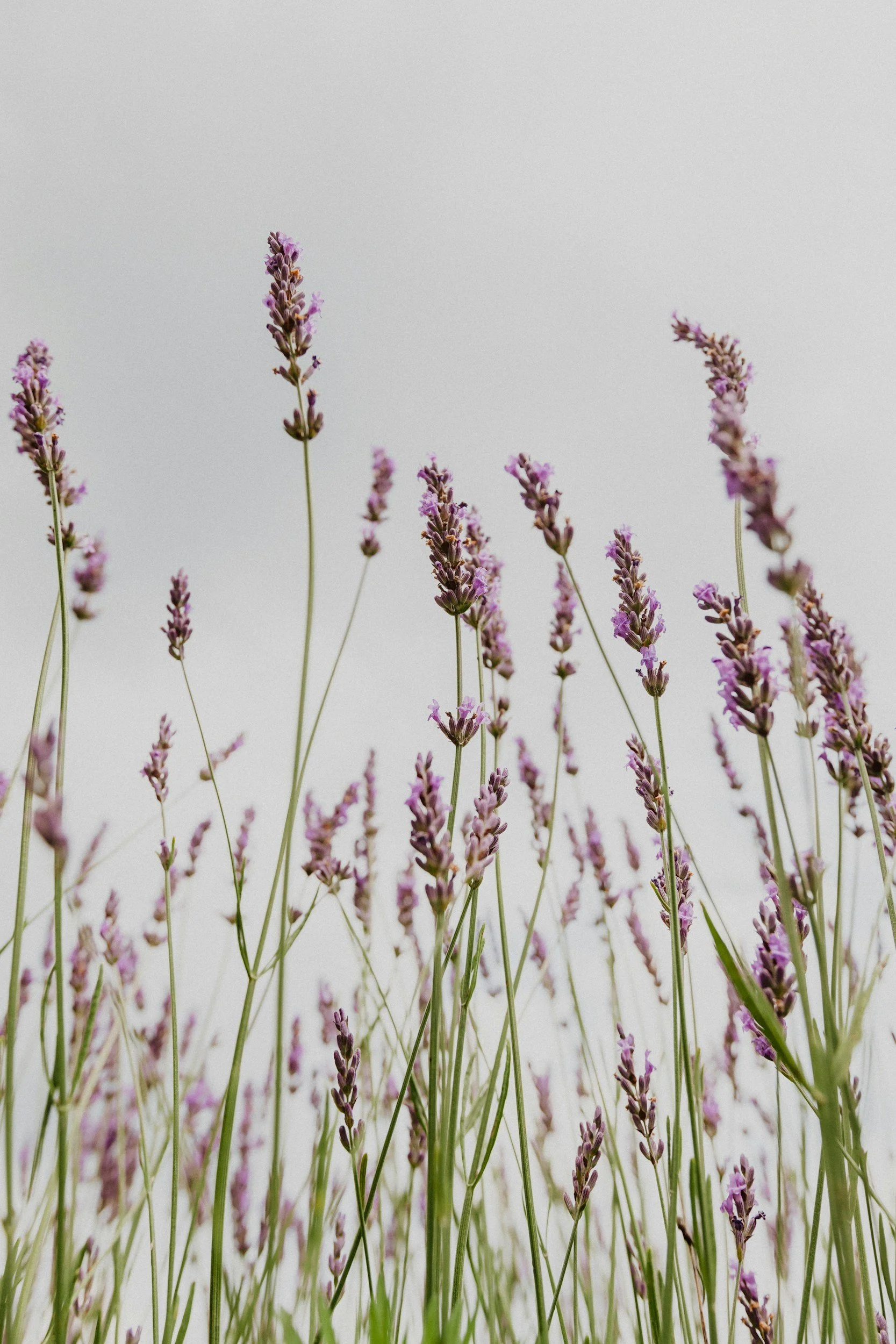
The scent of lavender. A handful of petals. A rose from a familiar garden. A sprig of rosemary tucked quietly beside a photograph.
These tiny acts can connect us to people, places and memories in ways we don't always understand until we experience them.
Perhaps that's why, after thousands of years, we still reach for flowers at the moments that matter most.
Because sometimes there simply aren't words big enough for love, grief, hope or remembrance.
And when words aren't enough, we bring flowers.
Sarah x